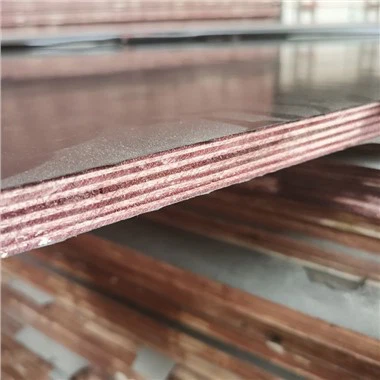
Particle Board explained
Aug 24, 2024
Particle board industry knowledge:
I. Definition and Composition
Particle board is an engineered wood product made by compressing wood particles or flakes with adhesives. It is composed of small pieces of wood, such as sawdust, shavings, and chips.
II. Manufacturing Process
1. Raw material preparation: Wood particles are collected and dried.
2. Adhesive application: An adhesive is added to bind the particles together.
3. Pressing: The particles are compressed under high pressure and heat to form a solid panel.
4. Finishing: The panel is sanded and trimmed to the desired size and shape.
III. Advantages
1. Cost-effective: Generally less expensive than solid wood.
2. Stable: Less likely to warp or crack compared to solid wood.
3. Versatile: Can be used for a variety of applications, such as furniture, cabinets, and flooring.
IV. Disadvantages
1. Lower strength: Not as strong as solid wood.
2. Formaldehyde emissions: May release formaldehyde, a harmful chemical.
3. Poor moisture resistance: Can be damaged by moisture.
V. Market Trends
1. Increasing demand: Due to its cost-effectiveness and versatility, the demand for particle board is growing.
2. Environmental concerns: There is a growing focus on reducing formaldehyde emissions and using sustainable raw materials.
3. Technological advancements: New manufacturing processes and adhesives are being developed to improve the quality and performance of particle board.