Advantages and Disadvantages of OSB and Plywood Titles
Sep 07, 2024
OSB (Oriented Strand Board)
Advantages:
- High strength: Made from compressed wood strands, it offers good structural strength.
- Stable: Less likely to warp or twist compared to some other materials.
- Cost-effective: Generally more affordable than some types of plywood.
- Environmentally friendly: Can be made from recycled or fast-growing wood species.
Disadvantages:
- Appearance: Not as aesthetically pleasing as some plywoods, with a more coarse texture.
- Moisture sensitivity: Can be more susceptible to damage from moisture if not properly sealed.
Plywood
Advantages:
- Versatility: Can be used for a wide range of applications, from construction to furniture making.
- Durable: Resistant to splitting and cracking.
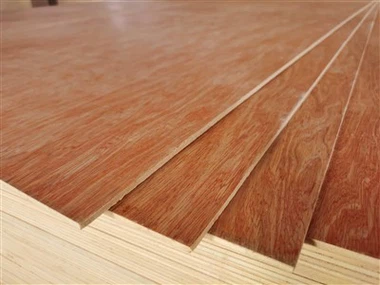
- Aesthetic appeal: Comes in various grades with different finishes, allowing for a more polished look.
- Good strength-to-weight ratio: Offers strength while remaining relatively lightweight.
Disadvantages:
- Cost: Can be more expensive than OSB.
- Formaldehyde emissions: Some plywood may emit formaldehyde, especially lower quality grades.
- Quality variation: Quality can vary greatly depending on the grade and manufacturer.