why the number of layers in plywood is typically odd?
Aug 10, 2023
Plywood is a popular building material due to its strength, flexibility, and cost-effectiveness. It consists of multiple layers, or plies, of wood veneer that are glued together to form a strong and sturdy sheet. However, have you ever wondered why the number of layers in plywood is typically odd?
The answer lies in the structural integrity of plywood. When the layers of veneer are glued together, they form a strong and stable structure that can resist bending and warping. To achieve this stability, plywood needs to have an odd number of layers.
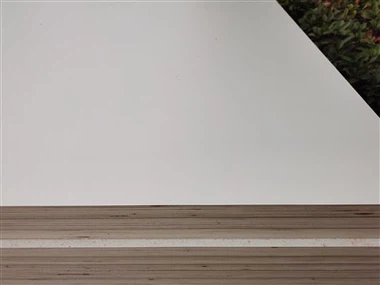
This is because an odd number of layers creates a balanced and symmetrical structure. For instance, a three-ply plywood sheet has a layer in the middle with two layers on either side. This creates a balanced structure that is less likely to warp or twist.
On the other hand, even-numbered plywoods create an unbalanced structure that is prone to warping. For example, a two-ply plywood sheet has one layer on either side of the middle. If one layer shrinks or expands due to temperature or moisture changes, the opposite layer will not be able to compensate for this change, resulting in warping or twisting.
Additionally, odd-numbered plywoods can withstand more stress and pressure than even-numbered ones. For example, a five-ply sheet can bear more weight and pressure than a four-ply sheet, making it more suitable for heavy-duty construction projects.
Therefore, manufacturers and builders prefer to use odd-numbered plywoods to ensure structural stability and durability. However, there are some exceptions to this rule, such as two-ply plywood sheets used for lightweight or decorative purposes.
In conclusion, the reason why plywood typically has an odd number of layers is due to its structural stability and durability. An odd number of layers creates a balanced and symmetrical structure that can resist warping and bending, making it suitable for a wide range of building and construction purposes.