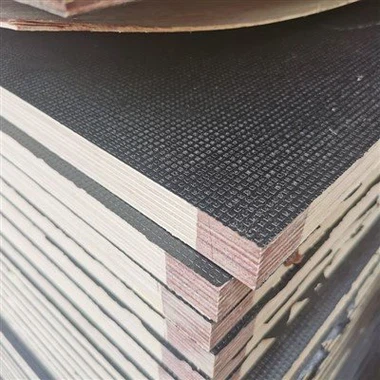
untreated pine plywood
Aug 06, 2023
If you're in the market for plywood, you may have come across untreated plywood. While it may seem like a good choice due to its lower cost, there are some important things to consider before going this route. This is especially true if you live in New Zealand where the climate can be harsh.
Untreated plywood has not been treated with any chemicals to make it resistant to moisture, fungi, and insects. This means that the wood can easily absorb moisture, which can lead to warping, bending, and decay. It also makes it more susceptible to bugs, which can further damage the wood.
In New Zealand, a country with a humid and wet climate, using untreated plywood can lead to serious problems. Moisture can accumulate quickly, leading to mold growth and even structural damage. The same goes for insects, as they can thrive in the damp environment that untreated plywood creates.
If you're looking for a plywood product that can withstand the elements, you may want to consider treated plywood. There are many types of treated plywood available, which have been treated with chemicals to protect against moisture, fungi, and insects. While treated plywood may be more expensive than untreated plywood, it will save you money in the long run by preventing expensive repairs and replacements.
Another option for those who want to save money on plywood is to use alternative materials. For example, Oriented Strand Board (OSB) can be a great cost-effective alternative to plywood. It is made by compressing wood strands and resin, making it resistant to moisture and bugs. It is also more affordable than plywood, making it attractive to budget-conscious buyers.
In conclusion, while untreated plywood may seem like a budget-friendly option, it comes with some serious risks. This is especially true if you're in New Zealand where the climate can be harsh. Consider using treated plywood or alternative materials like OSB to ensure that your project is durable and long-lasting.