The Most Eco-friendly Wood Panel Board
Aug 10, 2023
When it comes to choosing the most eco-friendly option for wood-based products, it's important to consider the environmental impact of each alternative. In this case, we'll be comparing three types of wood-based sheets: plywood, MDF, and particleboard.
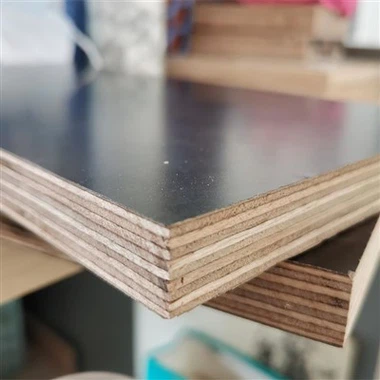
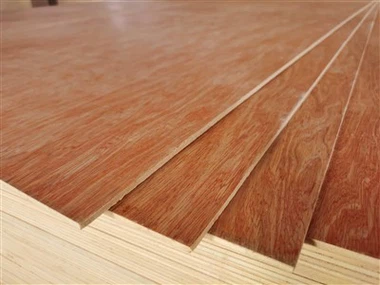
Plywood, also known as laminated veneer lumber (LVL), is made by bonding multiple layers of thin wood together with adhesives. It's known for its durability and strength, as well as its resistance to moisture and warping. However, plywood may not be the best option for environmentalists, as it requires a significant amount of energy and resources to produce. The adhesives used in plywood production may contain formaldehyde, a harmful chemical that can negatively affect indoor air quality.
On the other hand, medium-density fiberboard (MDF) is made by breaking down wood fibers into a fine pulp and then fusing them together with resins under high pressure and heat. As a result, MDF is denser and smoother than plywood, making it more resistant to scratches and dents. However, just like plywood, MDF production requires a significant amount of energy and resources, and it's also known to emit formaldehyde, a known carcinogen.
Lastly, particleboard is made by pressing wood particles and chips together with resins and adhesives. It's the cheapest option of the three and is often used in furniture manufacturing. However, it's also the least durable and least waterproof of the three alternatives. Additionally, like MDF and plywood, particleboard production requires significant amounts of energy and resources, and it also releases formaldehyde.
So, which is the most eco-friendly option? Unfortunately, each option has its own environmental impact, and it's difficult to determine which one causes less harm. However, there are ways to minimize the environmental impact of these products. Look for plywood, MDF, or particleboard that is certified by the Forest Stewardship Council (FSC), which ensures that the wood used in production is sustainably sourced. Additionally, look for products that use formaldehyde-free adhesives to minimize the impact on indoor air quality. Ultimately, the most eco-friendly option is to choose wood alternatives, such as bamboo or cork, for your home renovation needs.